
Public Schools Have a New Crisis: Not Enough Students
Episode of The Daily · November 11, 2026 · 48 min
Natalie Kitroeff and education reporter Sarah Mervosh examine shrinking U.S. public school enrollment and Pittsburgh's controversial plan to close schools and end most magnet programs.
Summary
Natalie Kitroeff spoke with New York Times education reporter Sarah Mervosh about declining enrollment in American public schools. Mervosh reported that enrollment had fallen in 30 states over the past decade, with large drops in districts such as Los Angeles, Houston and Chicago, and explained that per-student funding combined with fixed costs forces districts into painful cuts and politically explosive school closures. She attributed the decline to pandemic-era losses, expanded school choice and a falling fertility rate that peaked in 2007.
The episode focused on Pittsburgh, Mervosh's hometown, which lost about 25 percent of its enrollment in a decade. The school board voted 6-2 in May to close 12 schools and to eliminate elementary magnet schools while scaling back middle school magnets, aiming to redistribute resources so every school offers art, music, STEM and a foreign language. Board president Gene Walker argued that small schools are costly and that the magnet system was designed to keep middle-class white families in the district, while public hearings drew vocal opposition from parents.
Parents interviewed expressed grief, anxiety and skepticism. Abigail Folds argued magnet schools provided opportunity and that eliminating them could deepen housing segregation, while one mother moved her children to private school, saying public school had given up on them. Others chose to stay out of commitment to public education. Walker acknowledged the risk of families leaving but said quality would bring them back. Mervosh concluded that Pittsburgh is raising the floor at the risk of a leak at the ceiling, noting that districts nationwide face similarly unattractive choices.
Chapters
- 0:31
Introduction
Kitroeff introduces the public school enrollment crisis and Pittsburgh's plan.
- 1:27
Last first day at Arsenal
Mervosh and a producer visit a Pittsburgh school slated to close, hearing from parents, staff and a teacher who watched enrollment fall.
- 4:12
The national scope of declining enrollment
Mervosh outlines enrollment drops across major districts and why funding and fixed costs make them painful.
- 7:36
Why Pittsburgh is shrinking
Mervosh traces Pittsburgh's population decline, pandemic closures, school choice and falling birth rates.
- 10:00
The plan to close schools and end magnets
Mervosh describes Pittsburgh's plan to close schools, redraw boundaries and eliminate most magnet schools in the name of equity.
- 13:11
Public hearings and the vote
Parents protest at board meetings and the board votes 6-2 to close 12 schools.
- 17:30
Gene Walker's case
Board president Gene Walker explains the fiscal and equity arguments for consolidation and ending magnets.
- 25:17
Families at neighborhood schools
Parents at closing schools describe close-knit communities, grief and doubt about the district's promises.
- 30:53
Magnet families and the equity debate
Parents worry about rigor at SciTech, and Abigail Folds argues magnets offered opportunity and limited segregation.
- 35:55
Leaving or staying
Some families move to private schools while others commit to staying in the public system despite doubts.
- 42:18
Walker responds and national takeaways
Walker acknowledges the risk of departures, and Mervosh discusses the floor-versus-ceiling gamble and other districts' choices.
- 48:06
News headlines
Kitroeff reports on the shelved Hegseth impeachment effort and Jim Jordan's election as House Republican leader.
Key points
What was said, by whom, with the exact words. Timestamps jump to the moment.
- Sarah Mervosh
Mervosh reports that since about 2014, K-12 public school enrollment has fallen in 30 states.
“since about 2014, over the last decade, enrollment in K-12 public schools in the country has fallen in 30 states”
Listen from 4:41 · Declining enrollment in U.S. public schools
- Sarah Mervosh
Mervosh explains that school costs do not shrink proportionally with enrollment because teachers, principals and buildings remain necessary.
“if your school shrinks by, say, 20 percent, you have fewer students, but you still often need the same number of teachers”
Listen from 5:32 · Declining enrollment in U.S. public schools
- Sarah Mervosh
Mervosh describes school closures as among the most unpopular moves in education and argues they raise questions of which children are prioritized.
“I think closing schools is one of the most unpopular things you can do in education”
- Sarah Mervosh
Mervosh attributes part of the decline to the U.S. fertility rate, which peaked in 2007, with those children graduating in 2025.
“In the U.S. broadly, the fertility rate peaked in 2007, and it's pretty much been declining since then”
Listen from 9:18 · Declining fertility rate in the United States
- Sarah Mervosh
Mervosh reports that Pittsburgh's schools lost about a quarter of their enrollment over the last decade.
“over the last decade in Pittsburgh, that meant that all of this combined, they've lost about 25 percent of their enrollments”
- Gene Walker
Walker argues consolidating small, expensive schools frees money to redistribute to schools that stay open.
“by consolidating closing buildings, you're able to take that money that you would otherwise spend on that building and redistribute it to schools that are staying open”
- Gene Walker
Walker contends that Pittsburgh's magnet system was designed to retain middle-class white families through schools of choice.
“the magnet school system at its core was designed to keep middle class white families in the school district by creating these schools of choice”
Linked moment · 33:19Skip to 33:19 using a listen link in the info box.
Abigail FoldsFolds argues magnet schools gave children who cannot afford richer neighborhoods access to a different education.
“It gives an opportunity for some kids that can't afford to live in a richer area to have an education at maybe a different school”
- Abigail Folds
Folds believes eliminating magnets will deter people from moving into less desirable neighborhoods, reinforcing housing segregation.
“I think people would not move to my neighborhood if they knew they had to go to the neighborhood school”
- Abigail Folds
Folds predicts that without in-district options, families will leave for charter schools in a race to the bottom.
“People already are leaving and people will just flee and flee and flee and it'll be a race to the bottom”
- Gene Walker
Walker acknowledges families might leave either way but argues the risk should not stop a necessary decision, and that quality will bring people back.
“we can't let the threat of people leaving be the reason why we don't make the decision that's necessary”
- Gene Walker
Walker says the board has an obligation to future students decades from now, not just current ones.
“we have an obligation not just to the students that we have currently, but to the students that we will have 10, 15, 20 years from now”
- Sarah Mervosh
Mervosh notes other districts face similar choices, citing Philadelphia and Austin votes to close schools.
“Philadelphia voted to close schools. Austin voted to close schools. L.A., Portland, they're having these discussions”
- Sarah Mervosh
Mervosh concludes that Pittsburgh is raising the floor for vulnerable students while risking the loss of higher-achieving, wealthier families.
“they weren't paying as much attention to the ceiling. The students who maybe were higher achieving, maybe wealthier, have more agency and options in their family”
People
In the conversation
- Natalie KitroeffNew York Times journalist and host of The Daily
- Sarah MervoshEducation reporter at The New York Times
- Gene Walker
- Abigail Folds
Discussed
- Pete HegsethU.S. Secretary of Defense overseeing the Iran campaign
- Thomas MassieKentucky congressman facing a Trump-backed primary challenge
- Jim JordanRepublican U.S. Representative from Ohio
Topics
More from The Daily
 A Political Rebellion in the Rio Grande Valley
Nov 2, 2026 · 1 h 17 min
Daily producer Lindsay Garrison reports on Rio Grande Valley builders, many Trump voters, turning against Republicans after ICE raids gutted their immigrant workforce.
 Martin McDonagh Has a Vision for Hope. It's Not for the Faint of Heart.
Oct 31, 2026 · 50 min
David Marchese interviews filmmaker Martin McDonagh about his CIA film Wild Horse Nine, provocation versus offense, violence, punk rock, faith, legacy, and whether art changes the world.
 They Protested ICE. Now They’ve Been Convicted of Terrorism.
Oct 27, 2026 · 47 min
Michael Barbaro and Janet Reitman examine the Prairieland case, the first federal terrorism prosecution of American protesters, labeled an Antifa cell after an ICE protest shooting.
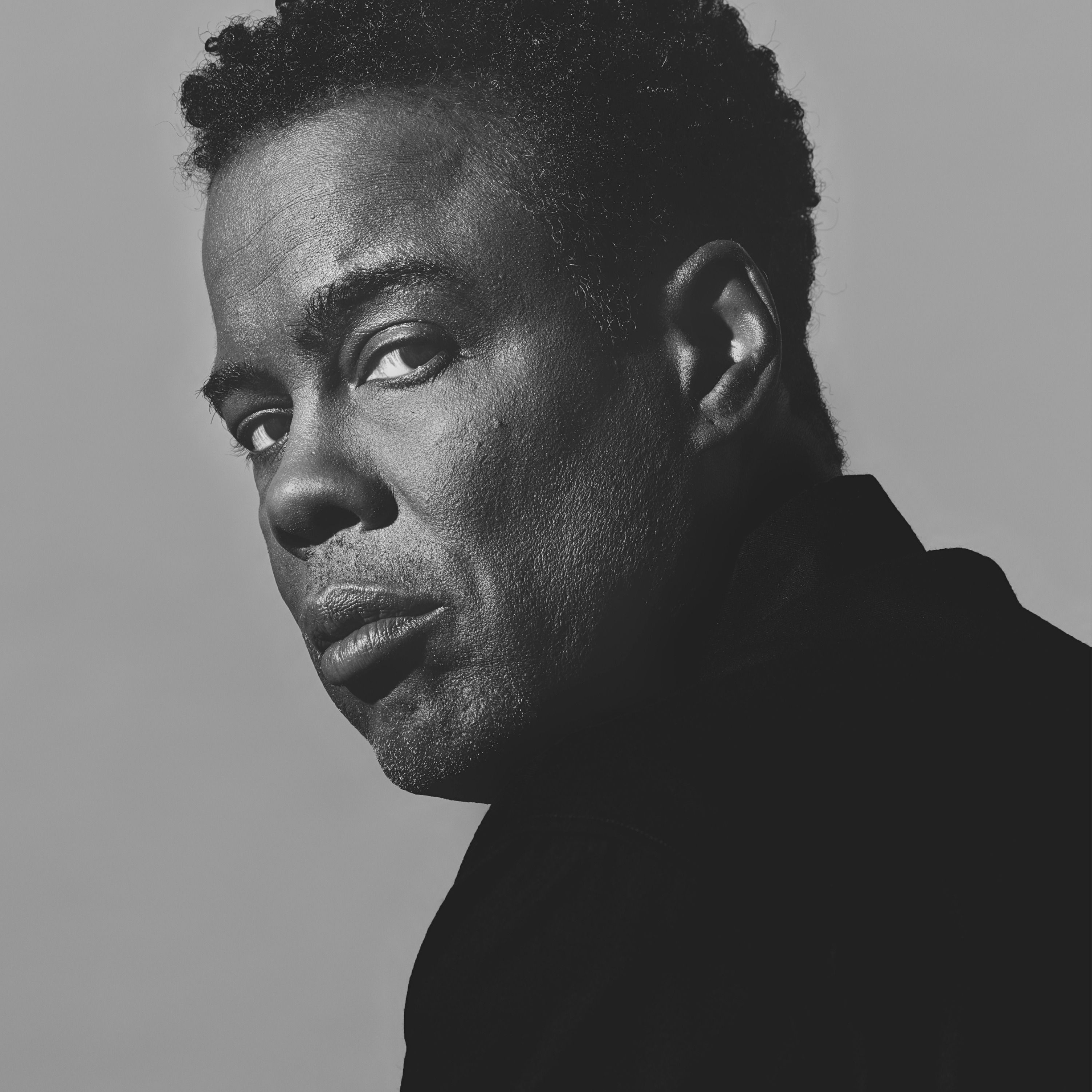 Chris Rock Has Been Thinking About Forgiveness
Oct 3, 2026 · 1 h 3 min
Chris Rock tells David Marchese about his film Misty Green, forgiveness, cancel culture, therapy and an NVLD diagnosis, Hollywood, and why comedy needs nuance.
 The Best TV Shows of the 21st Century
Sep 27, 2026 · 57 min
Natalie Kitroeff talks with Times colleagues Gilbert Cruz and James Poniewozik about the New York Times list of the 100 best TV shows of the 21st century.
From the publisher
The number of students in America’s public schools is shrinking. In some cases, the declines have been so drastic that districts are facing empty classrooms, painful budget cuts and angry debates about whether to close schools. Sarah Mervosh, an education reporter at The New York Times, discusses what the enrollment crisis looks like, why it’s happening and how one school district hopes to fix it.
Summary, chapters and key points were generated from the episode transcript on November 12, 2026. Quotes are checked word for word against the transcript.