
Chris Rock Has Been Thinking About Forgiveness
Episode of The Daily · October 3, 2026 · 1 h 3 min
Chris Rock tells David Marchese about his film Misty Green, forgiveness, cancel culture, therapy and an NVLD diagnosis, Hollywood, and why comedy needs nuance.
Summary
In this episode of The Interview, carried on The Daily feed, David Marchese interviewed comedian and filmmaker Chris Rock about his new film Misty Green, which Rock wrote and directed, about a struggling actress played by Rosalind Eleazar. Rock said the film is about Hollywood, Los Angeles and the "expiration dates we all have," and described the city's contrast between wealth and homelessness. He said that years of post-COVID therapy had made him more empathetic, and he disclosed a diagnosis of nonverbal learning disorder. Misty Green, he said, is his first real piece of art since that diagnosis.
Rock said Hollywood's flaws were preferable to ordinary jobs he had held, such as working at Red Lobster and caring for severely autistic adults. He argued that his 1996 special Bring the Pain would be even bigger today because mainstream outlets would not cover it, and he criticized The New York Times and other papers for ignoring nuance, citing the lack of a review for Bill Burr's Madison Square Garden show. He explained that he returned the advance for an abandoned book on interracial relationships because he distrusted his publisher. He also argued that online outrage is driven by meanness rather than sensitivity, and he declined to discuss the Will Smith slap at length, saying he had moved on.
Asked about forgiveness and public figures, Rock drew on personal history. He described a childhood acquaintance, Roger Logan, who served 19 years for a murder he did not commit, and said he regrets not paying for a lawyer. He recounted that his grandfather, a preacher, killed a man and later resumed leading his church, and he described being placed in police lineups as a youth. He argued that accusations should be made with certainty and that offenses should carry a time limit. He also spoke about feeling insecure around Eddie Murphy and regretting that he could never relax around Prince.
In a follow-up conversation, Rock named Bob Fosse's films, including Cabaret, Lenny and Star 80, as the main influences on Misty Green. He said true love is revealed through forgiveness and defended staying loyal to friends who have been canceled. He likened "wokeness" to the Old Testament, which he said has no forgiveness, while welcoming the voices it raised. He also argued that wealth, education and healthcare for Black Americans had changed little since 1968, and said he wakes up optimistic most mornings.
Chapters
- 0:41
Introduction
Marchese introduced Chris Rock's career and his new film Misty Green.
- 2:27
Status, insecurity and Hollywood
Rock discussed therapy, when he feels insecure, and why Hollywood still beats a normal job.
- 6:21
Compromise, Bring the Pain and the media
Rock argued that Bring the Pain would be bigger today and criticized newspapers for ignoring nuance in comedy.
- 12:25
Rosalind Eleazar, talent and luck
Rock praised his lead actress and said success depends on timing, friendship and avoiding self-destruction.
- 17:10
Empathy, directing and the slap
Rock talked about writing a female lead, the 12-year gap between films, and declined to revisit the Will Smith slap.
- 21:40
Expiration dates and inequality
Rock described the film's themes of aging in show business and Los Angeles' gap between rich and poor, and his book about being recognized by homeless people.
- 26:56
Abandoned book and outrage culture
Rock explained returning a book advance and argued that online outrage is driven by meanness.
- 30:40
Forgiveness, accusation and family history
Rock drew on a wrongful conviction, his grandfather's killing of a man, and police lineups to argue for caution about accusations and time limits on punishment.
- 37:50
NVLD diagnosis, insecurity and Prince
Rock disclosed a nonverbal learning disorder diagnosis and recalled feeling starstruck around Eddie Murphy and Prince.
- 43:14
Aging comedians and authenticity
Rock discussed comedians becoming the establishment, audiences detecting fakery, and compared Adam Driver's character to Jack Lemmon's in The Apartment.
- 49:51
Follow-up: Fosse influences
In a second conversation, Rock named Bob Fosse's films as the main influence on Misty Green.
- 52:29
Forgiveness, friendship and wokeness
Rock said love is shown through forgiveness, defended loyalty to canceled friends, and likened wokeness to the Old Testament.
- 58:11
Laughter, worries and optimism
Rock reflected on the value of laughter, the lack of change since 1968, and his optimism each morning.
Key points
What was said, by whom, with the exact words. Timestamps jump to the moment.
- Chris Rock
Rock says Hollywood has bad parts but is still far better than an ordinary job.
“Are there bad parts about Hollywood? Yes. But it's still better than a normal job by a lot”
- Chris Rock
Rock argues that his 1996 special Bring the Pain could be made today and would be even bigger.
“I'd be able to make it. It would be huge. As a matter of fact, you know what? I'll go even further. Bring the Pain would be bigger today”
- Chris Rock
Rock argues that major newspapers like the Times and the Journal ignore nuance by sorting comedy into manosphere-conservative or woke categories.
“So they like something really, you know, it's like, okay, this is a manosphere conservative thing, or this is a really kind of wokey woke thing”
Listen from 9:20 · Media credibility and independent journalism
Linked moment · 12:25Skip to 12:25 using a listen link in the info box.
Chris RockRock says roughly half of his jobs came from people simply considering him a good, considerate friend.
“Even now, if I look over my career, probably half of my gigs are just somebody going, oh, he's cool”
- Chris Rock
Rock argues that a self-destructive person is someone who makes only a few bad decisions a year, which is enough to ruin a life.
“What I'm trying to say is a self-destructive person is basically a person that makes six bad decisions a year”
- Chris Rock
Rock says he returned the advance for a book on interracial relationships because he did not trust his publisher in an era of taking things out of context.
“And I was like, I don't trust these people I'm working with. So I gave the money back”
- Chris Rock
Rock argues that people who take offense are not oversensitive but mean.
“People are like, oh, people are so sensitive. I'm like, no, they're not sensitive. They're mean”
- Chris Rock
Rock says he still regrets not paying for a lawyer for Roger Logan, who was later exonerated after 19 years in prison.
“I had the means to help him, and I didn't. And I don't know if we could have got him out or not, but still”
- Chris Rock
Citing his grandfather's return to society after prison, Rock argues that accusations should be certain and that punishment should have a time limit.
“And B, when people do things, there's a fucking time limit in the real world”
- Chris Rock
Rock says a friend suspected he had Asperger's, but testing showed nonverbal learning disorder instead.
“It wasn't Asperger's, but it was a thing called NVLD, nonverbal learning disorder”
- Chris Rock
Rock says one of his biggest regrets is that he could never relax around Prince, who wanted to be his friend.
“Also, not to name drop, one of my biggest regrets in life is I could never relax around Prince”
- Chris Rock
Rock says that later in a comedian's career audiences judge only results, much as a veteran athlete gets short contracts tied to performance.
“But later on, you're like LeBron. You're like, it's all results, and we'll give you a one-year deal as long as you play like LeBron”
- Chris Rock
Rock argues that jokes work better when they contain truth and that audiences can detect fakery.
“I mean jokes tend to work better when there's some truth in them”
- Chris Rock
Rock argues that Adam Driver's procurer character in Misty Green is essentially the same as Jack Lemmon's character in The Apartment.
“There is nothing different between the Adam Driver character in my movie and the Jack Lemmon character in the”
- Chris Rock
Rock says Bob Fosse's films were the biggest influence on Misty Green.
“So, yeah, the Fosse stuff, more than anything, I would say, has been an influence”
- Chris Rock
Rock defends staying friends with a canceled friend, arguing that friendship that lasts only through good times is not friendship.
“And I was like, well, if you're only friends with your friends when they're good, they're not your friends, you know?”
- Chris Rock
Rock says love is revealed only when one must forgive someone.
“You don't realize if you love somebody until you have to forgive them”
- Chris Rock
Rock argues that wokeness, while valuable for giving marginalized people a voice, resembles the Old Testament in lacking forgiveness.
“But the problem with wokeness is we're in the Old Testament right now, okay? And the Old Testament has no forgiveness”
- Chris Rock
Using the Salem witch trials as an analogy, Rock argues that problems arise when such movements are institutionalized.
“But then you open up a witch office and now you got to start lying”
- Chris Rock
Rock says the ability to laugh at oneself is probably the highest form of intelligence.
“And the ability to laugh at oneself is probably the highest form of intelligence”
- Chris Rock
Rock argues that, despite more courtesy, Black Americans' access to wealth, education and healthcare has changed little since 1968.
“the distribution of wealth, the access to education, the access to health care is pretty much where it was when Dr. King got shot”
People
In the conversation
- David MarcheseNew York Times journalist and host of The Interview
- Chris RockComedian Devine cites as showing up to clubs alone without an entourage
Discussed
- Will SmithAmerican actor and rapper who attended high school with Domingo
- Rosalind EleazarBritish actress who stars in Misty Green
- Bill BurrAmerican stand-up comedian
- Shane GillisAmerican comedian and co-creator of the Netflix series Tires
- Eddie MurphyAmerican comedian and actor Druski names as having set the bar for comedy careers
- PrinceAmerican musician who wrote Manic Monday for the Bangles
- Roger LoganBrooklyn man, an acquaintance from Rock's childhood, exonerated after 19 years in prison for a murder he did not commit
- Allen RockChris Rock's grandfather, a preacher who served prison time for killing a man
- Bob FosseAmerican director and choreographer of Cabaret, Lenny and Star 80
- Jack LemmonAmerican actor who starred in The Apartment
- Adam DriverAmerican actor who appears in Misty Green
- Steve MartinAmerican comedian, Randolph's Only Murders in the Building co-star
- Martin Luther King Jr.American civil rights leader who nominated Thich Nhat Hanh for the Nobel Peace Prize
- Scott RudinFilm and theater producer who recommended Cabaret to Rock
Topics
- Misty Green (film)
- Forgiveness
- Cancel culture
- Stand-up comedy craft
- Bring the Pain
- Homelessness
- Wrongful conviction
- Nonverbal learning disability
- Bob Fosse films
- Racial inequality in the United States
- Media credibility and independent journalism
- Psychotherapy
- Will Smith–Chris Rock slapping incident
- The Apartment
- Aging
Related episodes
 SYLVESTER STALLONE: “I Wasn’t Stupid. I Was Just Misunderstood.”
On Purpose with Jay Shetty · Sep 28, 2026 · 1 h 29 min
Jay Shetty interviews Sylvester Stallone about his painful childhood, rejection, creating Rocky, his parents, career slumps, health, marriage and his memoir The Steps.
 OPRAH WINFREY: The Life Lessons That Changed Everything
On Purpose with Jay Shetty · Sep 16, 2026 · 1 h 31 min
Oprah Winfrey tells Jay Shetty about her Mississippi childhood, surviving abuse, her rise in broadcasting, spiritual practice, legacy, and her upcoming Aha experience at the Sphere.
 Emilie Kiser EXCLUSIVE: The Loss That Changed Her Forever
On Purpose with Jay Shetty · Jun 17, 2026 · 1 h 7 min
Emilie Kiser tells Jay Shetty about losing her son Trigg in a pool accident, living with grief publicly, her marriage, and pool safety.
 The Outcast Who Built A Business... | David Fullmer | DSH #2020
Digital Social Hour · Jun 15, 2026 · 1 h
Roofing entrepreneur David Fullmer tells Sean Kelly about his Becoming Seven day-of-the-week life framework and his journey from youth corrections to business success.
 You’re Not Broken: Why You People-Please, Feel Anxious, & Never Feel Good Enough – and How to Heal
The Mel Robbins Podcast · May 21, 2026 · 1 h 12 min
Mel Robbins talks with psychotherapist Kelly McDaniel about 'mother hunger,' the unmet childhood needs for nurturing, protection, and guidance, and how adults can heal them.
 1069. Andy & DJ CTI: Shane Gillis' Monologue On SNL, Trump Calls Off Livestream Of Fort Hood Attacker & Ilhan Omar Citizenship Probe
REAL AF with Andy Frisella · Oct 16, 2026 · 1 h 41 min
Andy Frisella and DJ discuss the backlash to Shane Gillis' SNL gym-shorts joke, the canceled Fort Hood execution livestream, groypers, and the Ilhan Omar citizenship probe.
More from The Daily
 The Best TV Shows of the 21st Century
Sep 27, 2026 · 57 min
Natalie Kitroeff talks with Times colleagues Gilbert Cruz and James Poniewozik about the New York Times list of the 100 best TV shows of the 21st century.
 Sylvester Stallone Hid His Struggles for Decades. Now He’s Coming Clean.
Sep 26, 2026 · 1 h 17 min
Sylvester Stallone tells Lulu Garcia-Navarro about his abusive childhood, anxiety, bulimia and steroid use, his rivalry with Schwarzenegger, and career collapses and comebacks.
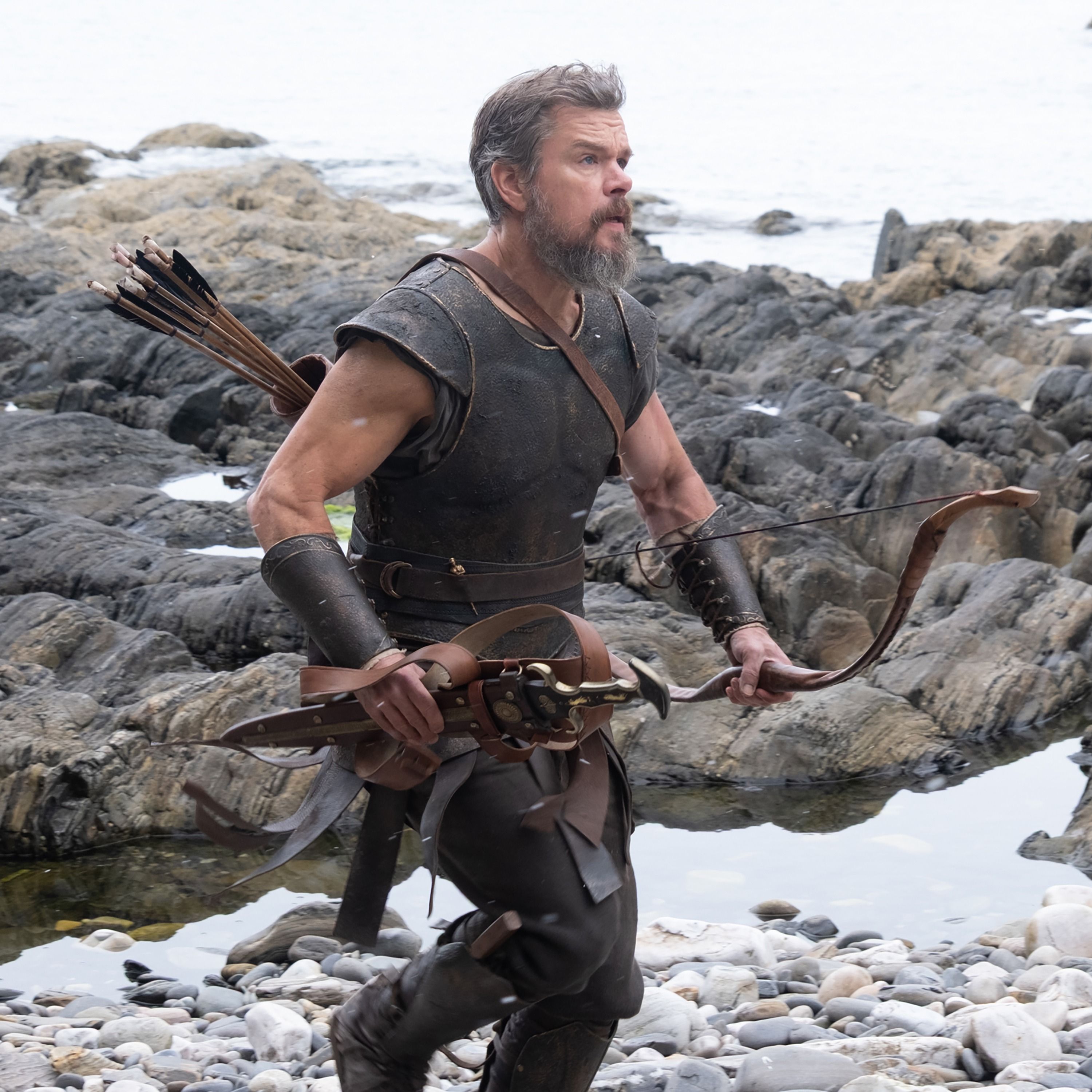 What’s Epic About the ‘Odyssey’? Everything.
Jul 12, 2026 · 51 min
Natalie Kitroeff talks with translator Emily Wilson and novelist Madeline Miller about the Odyssey ahead of Christopher Nolan's film adaptation.
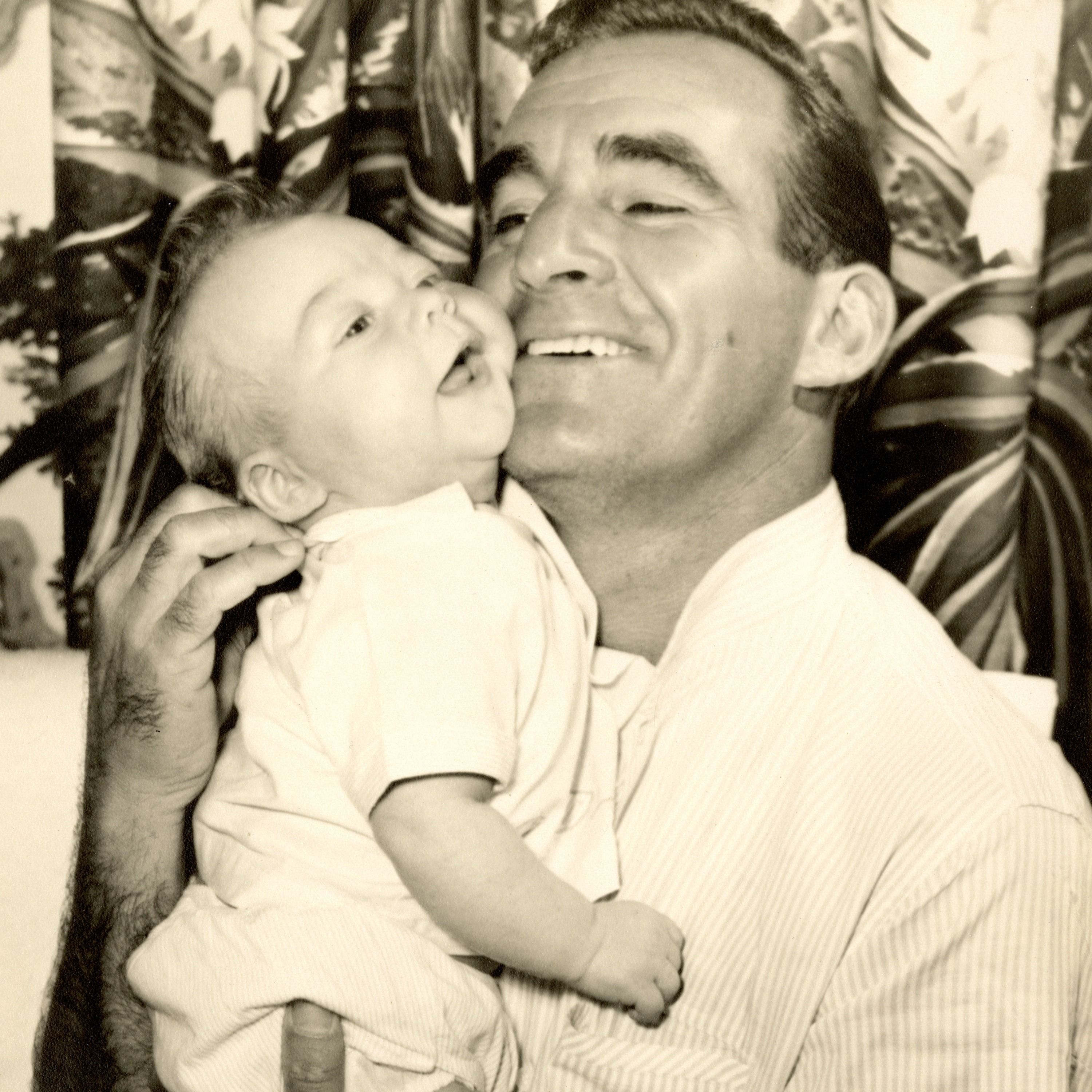 Can a Bad Man Be a Good Father?
Jun 21, 2026 · 47 min
Michael Barbaro talks with writer Tom Junod about his charismatic, philandering father Lou and the secret half-sister Junod uncovered after his father's death.
 Popcast: Olivia Rodrigo Tried Writing Love Songs. Then Life Got Messy.
May 31, 2026 · 1 h 30 min
Olivia Rodrigo talks with Popcast's Jon Caramanica and Joe Coscarelli about her third album, songwriting, fame, politics, Taylor Swift speculation and girlhood.
From the publisher
The comedian and filmmaker on what real friendship looks like, what keeps him up at night and his new movie, "Misty Green."
Summary, chapters and key points were generated from the episode transcript on October 10, 2026. Quotes are checked word for word against the transcript.