
Pedro Pascal’s Life Began With a Rupture. He’s Still Coming to Terms With It.
Episode of The Daily · November 28, 2026 · 1 h 2 min
Lulu Garcia-Navarro interviews actor Pedro Pascal about his new film Behemoth, his family's flight from Chile, his mother's suicide, his long career struggle, and fame.
Summary
In this episode of The Interview, presented in The Daily feed, Lulu Garcia-Navarro spoke with Pedro Pascal across two sessions. They opened in Spanish, discussing code-switching. Pascal attributed his instinctive code-switching to a nomadic childhood that took him from Chile to Denmark, San Antonio, Orange County and New York. Garcia-Navarro described his new film Behemoth, in which he plays a cellist named Alex, as a film about generational trauma. Pascal agreed, saying he realized only during filming that the character was trying to end a cycle of pain.
Pascal recounted how his parents sheltered a wounded man after the 1973 Chilean coup, were named under torture, and fled. His father narrowly escaped arrest at a hospital, and the couple hid for months while aunts cared for the infant Pascal. He linked that early separation from his mother to a lifelong struggle with sleep and to decades of therapy. Garcia-Navarro shared her own family's experience as Cuban refugees. Pascal then spoke about his mother's suicide while he was in college. He described it as heartbreak rather than a diagnosis and expressed compassion for people who take their own lives.
Pascal described years of career struggle. He changed his name after his mother's death, briefly working as Alex and Alexander before settling on Pedro Pascal, his mother's surname. He returned to New York theater to grieve, and he worked off-Broadway with Oscar Isaac in a Nilo Cruz play and with the Labyrinth Theater Company. He said movies and theater saved him from childhood onward. In the second session he explained that he still lives in the Airbnb he moved into in 2020 and has come to see home as fluid. He also discussed sex scenes as language like any other, the internet's idealization of his masculinity, the pain of online attention at 51, and forgiving his younger self.
Chapters
- 0:00
Introduction
Garcia-Navarro introduces Pedro Pascal, his late fame and his new film Behemoth.
- 1:09
Spanish and code-switching
The pair begin in Spanish and Pascal traces his code-switching to a nomadic childhood across several countries.
- 4:40
Behemoth and nonverbal acting
They discuss Behemoth as a film about generational trauma and Pascal's approach to playing an introverted character.
- 8:24
Early interviews and family doubts
Pascal reflects on an old interview with his cousin and his family's worry over his acting ambitions.
- 10:21
Fleeing Chile after the coup
Pascal recounts his parents' involvement after the 1973 coup, his father's narrow escape and his separation from his mother as an infant.
- 18:00
Inherited trauma, sleep and therapy
Garcia-Navarro describes her mother's hoarding, and Pascal links his infant separation to lifelong sleep problems and ongoing therapy.
- 27:46
His mother's suicide
Pascal speaks about his mother's death, which he frames as heartbreak, and about his compassion for those in that pain.
- 35:19
Struggling career and name changes
Pascal discusses casting difficulties, his name changes and the decision to keep his mother's surname.
- 40:07
New York theater years
Pascal describes returning to New York theater, working with Oscar Isaac and Labyrinth, and how art saved him.
- 46:27
Second session: impermanence and home
In a follow-up conversation Pascal explains he still lives in his 2020 Airbnb and now sees home as fluid.
- 50:23
Sex on screen and desirability
Pascal discusses filming sex scenes safely and how warmth and flirtation inform his characters.
- 55:37
Masculinity, internet fame and self-forgiveness
Pascal reflects on online idealization, aging, anchors in his life and forgiving his younger self.
Key points
What was said, by whom, with the exact words. Timestamps jump to the moment.
- Pedro Pascal
Pascal attributes his instinctive code-switching to a nomadic upbringing in which he constantly observed new environments.
“I think there's been this incredible benefit to always being having kind of like a nomadic observation of all of my environments”
- Lulu Garcia-Navarro
Garcia-Navarro interprets Behemoth as a film about generational trauma.
“I've seen the film described in a lot of ways, but to me, it's a film about generational trauma”
- Pedro Pascal
Pascal says he realized only from a specific line in the film that his character is trying to end generational trauma.
“it wasn't until a particular line in the movie where I realized that this character is in his way attempting to end generational trauma”
- Pedro Pascal
Pascal recounts that the person who brought a wounded man to his parents' home was arrested and tortured, and named his parents.
“someone who brought this wounded man who needed help to our home was taken into custody, was tortured, and he gave names”
- Lulu Garcia-Navarro
Garcia-Navarro says her mother's flight from Cuba led to a life of constant transition that, in her view, made her a hoarder.
“And it sent her on this life of constant transition. And in my estimation, it made her into a hoarder”
- Pedro Pascal
Pascal says he has been in therapy on and off for most of his adult life and that healing is nonlinear.
“I've, I've, um, I've been in therapy for most of my adult life on and off”
- Pedro Pascal
Pascal says he remains perplexed about how to deal with the early-life conditions, including infant separation from his mother, that shaped his body.
“there's still perplexity for me over how do I navigate the very, very, very early conditions that have authored how I live inside my body”
- Pedro Pascal
Pascal suggests that playing roles may be a form of therapy that lets actors safely work through grief.
“there's way more therapy than I realize in playing parts so that you can kind of like in a safe environment work out”
- Pedro Pascal
Pascal argues that his mother's suicide is best understood as heartbreak rather than through a diagnostic label.
“I think that the one that we've never really talked about is that it was heartbreak”
- Pedro Pascal
Pascal expresses compassion for people who end their lives and says he has coped with similar pain by asking for help.
“Can you imagine the kind of pain that you would be in to have the courage to end your life? I just have nothing but compassion for that”
- Pedro Pascal
Pascal says he began changing his professional name only after his mother's death, out of desperation and grief.
“didn't start changing my name until after my mother died because there was such a desperation that I felt”
- Pedro Pascal
Pascal says he was not cast in Ibsen roles until he auditioned under the name Alexander, and he felt kept from such parts as a white-looking Pedro.
“It's interesting because I didn't get cast in Ibsen until I changed my name to Alexander”
- Pedro Pascal
Pascal says returning to New York theater after his mother's death set his career back and sent him back to waiting tables.
“Boy, was it a mistake. I mean, it took me off track. Went back to waiting tables”
- Pedro Pascal
Pascal says film saved him from childhood onward and that his truest identity is that of a moviegoer and student.
“My truest identity is the person who's sitting in the theater and who is in school even now”
- Pedro Pascal
Pascal says that, after still living in his 2020 Airbnb, he has come to realize that home is fluid and that moving around is comforting.
“coming to kind of a really, really important realization in my life that home is very fluid”
- Pedro Pascal
Pascal argues that sex scenes are a form of language like any other scene and that safety, which depends on how the set is run, comes first.
“you want to kind of, I guess, establish safety first. You know what I mean? And that comes from, you know, how the set is run”
- Pedro Pascal
Pascal says his internet persona takes on a life of its own beyond his control, which he finds scary.
“so much authors itself without any of your doing, it's so completely out of your control”
- Pedro Pascal
Pascal says he is still working on forgiving his younger self, who was always in trouble for being unable to hide his emotions.
“I'm still working on forgiving that kid that was always getting into trouble for not being able to kind of keep it in”
People
In the conversation
- Lulu Garcia-NavarroNew York Times journalist and host of The Interview
- Pedro PascalActor who plays Will Arnett's brother in the Tony Gilroy project
Discussed
- Salvador AllendeSocialist president of Chile overthrown in 1973
- Oscar IsaacActor and longtime friend of Pascal from off-Broadway theater
- Nilo CruzCuban-American Pulitzer-winning playwright of Beauty of the Father
- Henrik IbsenNorwegian playwright whose play Ghosts gave Pascal an early role
Topics
Related episodes
 "Olivia Wilde"
SmartLess · Jul 13, 2026 · 1 h 3 min
Olivia Wilde tells the SmartLess hosts about changing her name, working in a casting office, her acting career, and directing Booksmart and The Invite.
 Listener Tales 116: Family Tales
Morbid · Nov 26, 2026 · 1 h 5 min
In a Thanksgiving-themed Listener Tales episode, Morbid hosts Ash Kelley and Alaina Urquhart read listener stories about murderous and dysfunctional relatives.
 #891: Zen Master Henry Shukman on Love and Grief, Jhana 101, Ambition, and Poetry as a Shortcut
The Tim Ferriss Show · Nov 25, 2026 · 2 h 22 min
Tim Ferriss talks with Zen master and poet Henry Shukman about his path to Zen, awakening and trauma, poetry as a meditative doorway, psychedelics, time, and jhana practice.
 Trixie Mattel: Makeup, Motels & Moving On
Call Her Daddy · Nov 18, 2026 · 1 h 3 min
Alex Cooper interviews drag queen Trixie Mattel about creating her persona, makeup, her Palm Springs motel, childhood trauma, her biological father, and podcasting.
- The Ghosts of Summerwind
Morbid · Nov 12, 2026 · 58 min
Morbid hosts Alaina Urquhart and Ash Kelley recount the haunting legend of Summerwind, a Wisconsin mansion tied to the Hinshaw family and explorer Jonathan Carver.
 Overcome Addictions & Obsessions of All Kinds | Dr. Anna Lembke
Huberman Lab · Nov 9, 2026 · 2 h 17 min
Andrew Huberman and psychiatrist Anna Lembke discuss dopamine, addiction as an addiction to control, spiritual surrender, codependency, and treatments including GLP-1s and ketamine.
More from The Daily
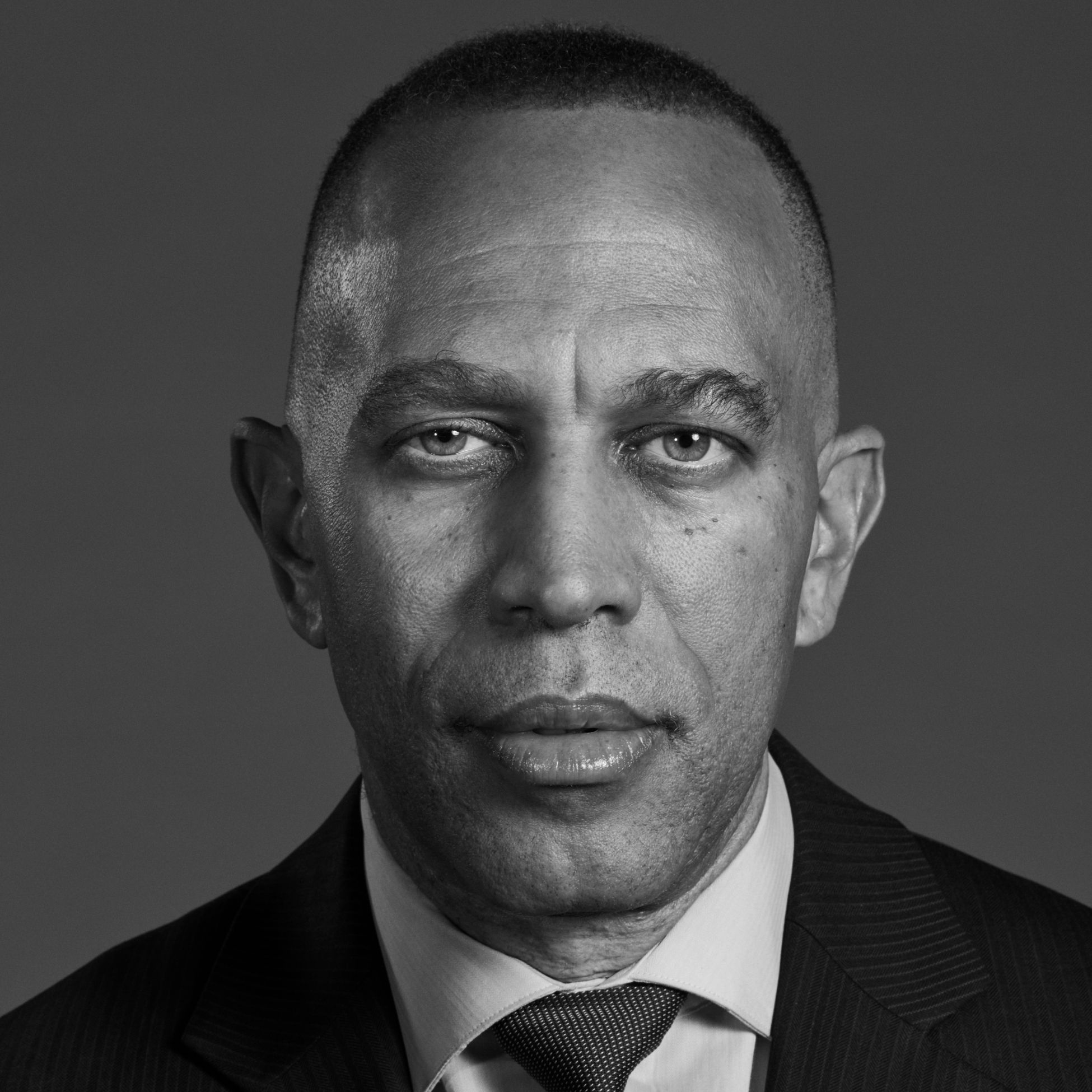 Hakeem Jeffries on Trump, Stephen Miller, AIPAC and the Road Ahead
Nov 21, 2026 · 55 min
Lulu Garcia-Navarro interviews Speaker-designate Hakeem Jeffries on working with President Trump and Stephen Miller, the Democratic agenda, AIPAC, Israel and his Brooklyn upbringing.
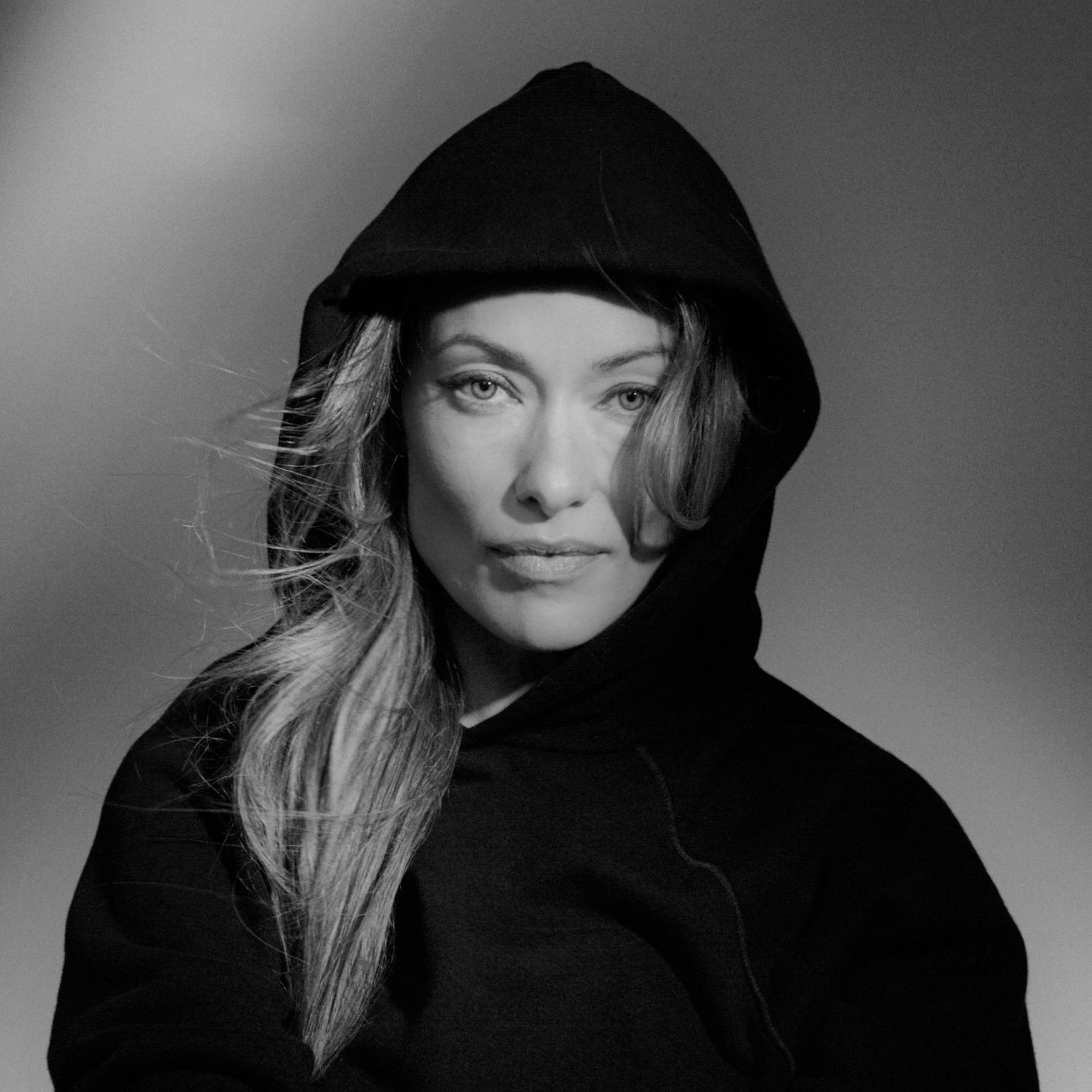 Olivia Wilde Hit Bottom. Here's How She Bounced Back.
Nov 14, 2026 · 51 min
David Marchese interviews Olivia Wilde about The Invite, turning 40, divorce and co-parenting, the Don't Worry Darling tabloid storm, regret, and directing.
 Public Schools Have a New Crisis: Not Enough Students
Nov 11, 2026 · 48 min
Natalie Kitroeff and education reporter Sarah Mervosh examine shrinking U.S. public school enrollment and Pittsburgh's controversial plan to close schools and end most magnet programs.
 A Political Rebellion in the Rio Grande Valley
Nov 2, 2026 · 1 h 17 min
Daily producer Lindsay Garrison reports on Rio Grande Valley builders, many Trump voters, turning against Republicans after ICE raids gutted their immigrant workforce.
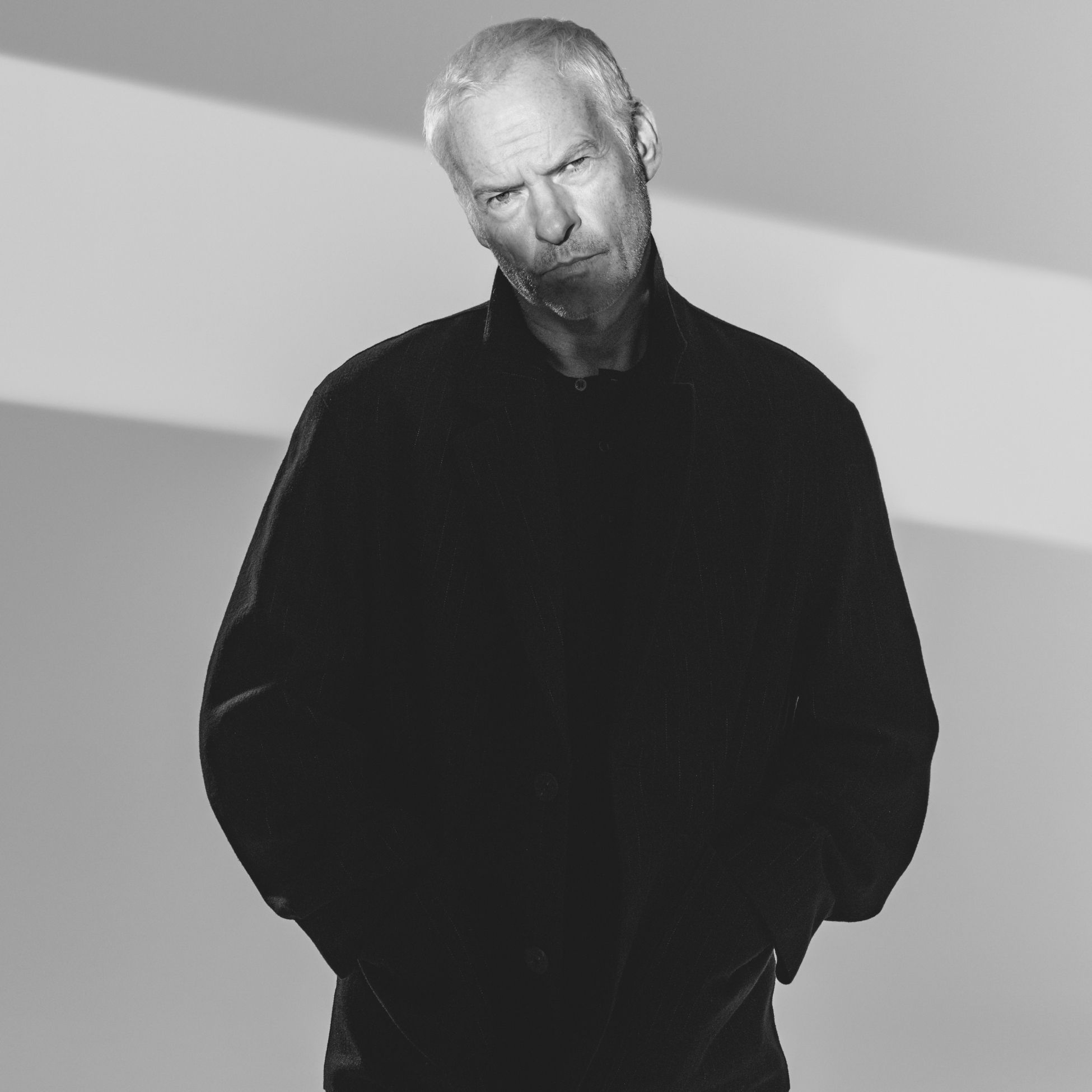 Martin McDonagh Has a Vision for Hope. It's Not for the Faint of Heart.
Oct 31, 2026 · 50 min
David Marchese interviews filmmaker Martin McDonagh about his CIA film Wild Horse Nine, provocation versus offense, violence, punk rock, faith, legacy, and whether art changes the world.
From the publisher
At 51, the actor and “Behemoth!” star is navigating his past and embracing his present.
Summary, chapters and key points were generated from the episode transcript on November 29, 2026. Quotes are checked word for word against the transcript.