
The Sick Truth About Modern Health... | Mark Sherwood | DSH #2073
Episode of Digital Social Hour · July 18, 2026 · 48 min
Sean Kelly talks with longevity doctor Mark Sherwood about chronic illness, food policy, glyphosate, peptides, biological aging, AI in clinics, police officer health, and his baseball dream.
Summary
Sean Kelly hosted Dr. Mark Sherwood in Las Vegas for a wide-ranging conversation on modern health. Sherwood argued that Americans are sicker than ever not because they fail to act but because they take the wrong action, influenced by pharmaceutical advertising and one-sided medical advice. He criticized the food pyramid, government food subsidies, and the presence of glyphosate and forever chemicals in the food supply, linking them to obesity, declining testosterone, and cancer, which he predicted would overtake heart disease as the leading cause of death within a decade.
Sherwood described his clinic's use of peptides, which he framed as natural signaling molecules, and biological age testing such as GlycanAge and organ-specific methylation tests. He identified inflammation as the main driver of aging and emphasized brain health, discussing Alzheimer's risk and the APOE4 gene with Kelly, who said he carries it. He also argued that genes are not destiny, that mental health diagnoses are often overextended, and recounted how treating asymptomatic parasite-positive patients made them worse, leading him to favor individualized care.
The discussion turned to AI, which Sherwood said saves his clinic time through automated clinical notes, while cautioning that outputs must be verified. He advised aspiring clinicians to consider naturopathy, chiropractic, or functional medicine, and told the story of his wife, Dr. Michelle Sherwood, being pushed out of a practice before they founded the Functional Medical Institute. Drawing on his police career, he cited a statistic that officers with 20 years of service live on average to 66, which motivated his wellness work for first responders.
Sherwood closed with the story of a note he carried from second grade declaring he would become a professional baseball player, which he rediscovered while playing in Australia. He discussed teaching through analogies, humility and avoiding yes-men, and promoted his upcoming book Authentic Longevity, a free longevity community, and a biomarker resource.
Chapters
- 0:32
Cold open and introduction
A preview of Sherwood's remarks on cancer and glyphosate precedes Kelly welcoming him to the show in Las Vegas.
- 1:45
Wrong action and pharma advertising
Sherwood argues people act on bad information shaped by pharmaceutical advertising and one-sided medical advice.
- 3:25
The food pyramid and obesity
Sherwood criticizes the food pyramid and traces rising obesity rates across U.S. states.
- 4:56
Glyphosate, testosterone and cancer
The pair discuss glyphosate, falling testosterone, chemicals in the food supply, and a prediction about cancer mortality.
- 10:05
Peptides and biological age testing
Sherwood explains peptides, criticizes the FDA's sickness model, and describes biological and organ-age testing.
- 12:49
Inflammation, brain health and genetics
Sherwood names inflammation as the driver of aging, discusses brain care and APOE4, and questions genetic determinism and mental health diagnoses.
- 16:45
Antibiotics, parasites and individualized care
They discuss antibiotic overuse and Sherwood describes learning not to treat asymptomatic parasite cases.
- 19:46
Faith, mindset and healthspan
Sherwood talks about faith, being present, and prioritizing quality of life over fear of death.
- 23:20
AI in medicine and becoming a doctor
Sherwood describes AI note-taking in his clinic, the need to verify AI output, and advice for aspiring healers.
- 29:22
Police work and first responder health
Sherwood recounts his police career, a statistic about officer life expectancy, and the ridicule he faced for healthy habits.
- 35:04
Ego, feedback and proactive thinking
The two discuss humility, avoiding yes-men, and proactive rather than reactive thinking.
- 37:24
The baseball dream note
Sherwood tells of carrying a childhood note about becoming a pro baseball player and rediscovering it in Australia.
- 40:44
Teaching with stories and remembering names
Sherwood explains teaching through analogies and they discuss Jim Kwik's memory techniques.
- 44:18
Authentic Longevity and closing
Sherwood promotes his new book, discusses integrated health systems, time, AI avatars, and free resources.
Key points
What was said, by whom, with the exact words. Timestamps jump to the moment.
- Mark Sherwood
Sherwood argues that people are not failing to act on their health but are taking the wrong action.
“they're taking action. They're just taking the wrong action”
- Mark Sherwood
Sherwood says the U.S. is one of only two countries, with New Zealand, that allow pharmaceutical advertising, which he says clouds public information.
“We live in a world where we're one of two countries in the entire planet that actually let pharma advertise us in New Zealand”
- Mark Sherwood
Sherwood criticizes the food pyramid for teaching that fat was bad while sugar and grains were acceptable.
“It said that fat was bad, sugar is okay, and we're going to eat a lot of grains and breads”
- Mark Sherwood
Sherwood credits the current HHS secretary with improving dietary guidance but worries a future administration will reverse it.
“But my concern is that the next administration, whatever that would do, would flip it around the other way again”
- Mark Sherwood
Sherwood claims glyphosate is estrogenic and carcinogenic and contributes to reduced testosterone in men.
“Because glyphosate is a known estrogenic and carcinogenic compound. meaning it will drive estrogen”
- Mark SherwoodPrediction · due Dec 2036
Sherwood predicts cancer will surpass heart disease as the leading cause of death within the next decade.
“Cancers will surpass heart disease as the number one killer, I believe, in our lifetime. In the next decade, I predict”
- Mark Sherwood
Sherwood recommends avoiding government-subsidized foods as a rule of thumb for health.
“if the government subsidizes it regarding food, don't eat it and you'll probably be healthy”
Linked moment · 10:54Skip to 10:54 using a listen link in the info box.
Mark SherwoodSherwood argues peptides are natural molecules and that requiring FDA approval is the wrong model because the FDA is oriented around sickness.
“And people want those things to be quote-unquote approved by the FDA. But that's a wrong model. The FDA is bent on a sick model”
- Mark Sherwood
Sherwood says his clinic uses the GlycanAge test and has seen patients in their 60s with immune ages in their 20s.
“My wife and I test the biological immune age of people using a test called glycan age”
- Mark Sherwood
Sherwood identifies inflammation as the main driver of aging, most often visible in the musculoskeletal system, gut, and brain.
“I think it's the inflammation that's driving the aging process”
- Mark Sherwood
Sherwood argues most mental health problems stem from unresolved childhood trauma and failed pharmaceutical attempts to balance neurotransmitters.
“I think most mental health is probably dealt with childhood trauma events, inability to deal with them, pharmaceutical drugs that have tried to balance out neurotransmitters and failed”
- Mark Sherwood
Sherwood recounts that treating asymptomatic patients who tested positive for parasites made them worse, and they improved when treatment stopped.
“I've had people that tested positive for certain parasites, and they didn't have any symptoms. And I made the mistake of trying to treat them”
- Mark Sherwood
Sherwood says AI saves his clinic time but its outputs must be verified because its data comes from humans.
“Because what goes into the AI mechanism that it scrapes and gets the data is put in there by human hand”
- Sean Kelly
Kelly says he cross-checks his blood work by submitting it to four different AI tools before forming his own view.
“I put it into four different AIs and then I looked at all of the answers and then formed my own opinion”
- Mark Sherwood
Sherwood says his wife was pushed out of a clinical practice because too many patients got well, which led to founding the Functional Medical Institute.
“she got into medicine and she was kicked out. because too many people got too well”
- Mark Sherwood
Sherwood advises young people interested in healing to consider naturopathy or chiropractic for a broader perspective than conventional medicine.
“So I like people going into maybe naturopathy, maybe even chiropractic. Do that angle because you have the opportunity to have both sides of the coin”
- Mark Sherwood
Sherwood says a recent check showed officer life expectancy remains 66 and that first responders lack needed support.
“I checked recently, and guess what? It's still 66 years of age”
Listen from 30:52 · Police officer health and life expectancy
- Mark Sherwood
Sherwood cites an old FBI study finding police officers with 20 years of service live on average to 66, a figure he says local data confirmed.
“But it said the average police officer, 20 years of service, lives to 66 years of age”
Listen from 31:14 · Police officer health and life expectancy
People
In the conversation
- Sean KellyHost of the Digital Social Hour podcast
- Mark SherwoodFunctional medicine and longevity doctor, co-founder of the Functional Medical Institute in Tulsa, former police officer and professional baseball player
Discussed
- Michelle SherwoodPhysician, wife and clinical partner of Mark Sherwood at the Functional Medical Institute
- Dave AspreyBiohacking entrepreneur whose event Kelly and Sherwood attended
- Gary BreckaHuman biologist and wellness figure cited as a non-doctor helping people
- Brian JohnsonTech entrepreneur known for longevity experiments
- Jim KwikBrain coach and author of the bestselling book Limitless
- Dana WhitePresident and CEO of the UFC
- Tony RobbinsAmerican life and business coach, entrepreneur and bestselling author
Topics
Related episodes
 From Supermodel to Stem Cell Skincare Empire | Ekin Ozlen | Coffeez with Joe Shalaby Ep. 321
Coffeez with Joe Shalaby · Oct 14, 2026 · 1 h 13 min
Joe Shalaby talks with KERACELL founder Ekin Ozlen about modeling, Miss Turkey, losing her first husband, IVF, and building a stem cell skincare brand.
 The Ultimate Guide to Male Hormones & Men’s Health
The Mel Robbins Podcast · Oct 8, 2026 · 1 h 11 min
Mel Robbins and Stanford urologist Dr. Michael Eisenberg discuss testosterone, erectile dysfunction, male fertility, prostate and pelvic floor health, and their links to longevity.
 Episode 595: Dr. Jonathan Schoeff: Biohacking for Longevity: What Works, What's Overhyped, and What Matters
Habits and Hustle · Oct 6, 2026 · 1 h 5 min
Jen Cohen and surgeon-longevity physician Dr. Jonathan Schoeff sort biohacking trends into worth it or overhyped, covering strength training, peptides, GLP-1s, hormones, and sleep.
 The Art Of Aging: The Heart Of The Matter
Next Question with Katie Couric · Oct 6, 2026 · 1 h 8 min
Katie Couric and cardiologist Stacey Rosen discuss heart disease in women, from research bias and symptoms to life-stage risks, cholesterol, testing and prevention.
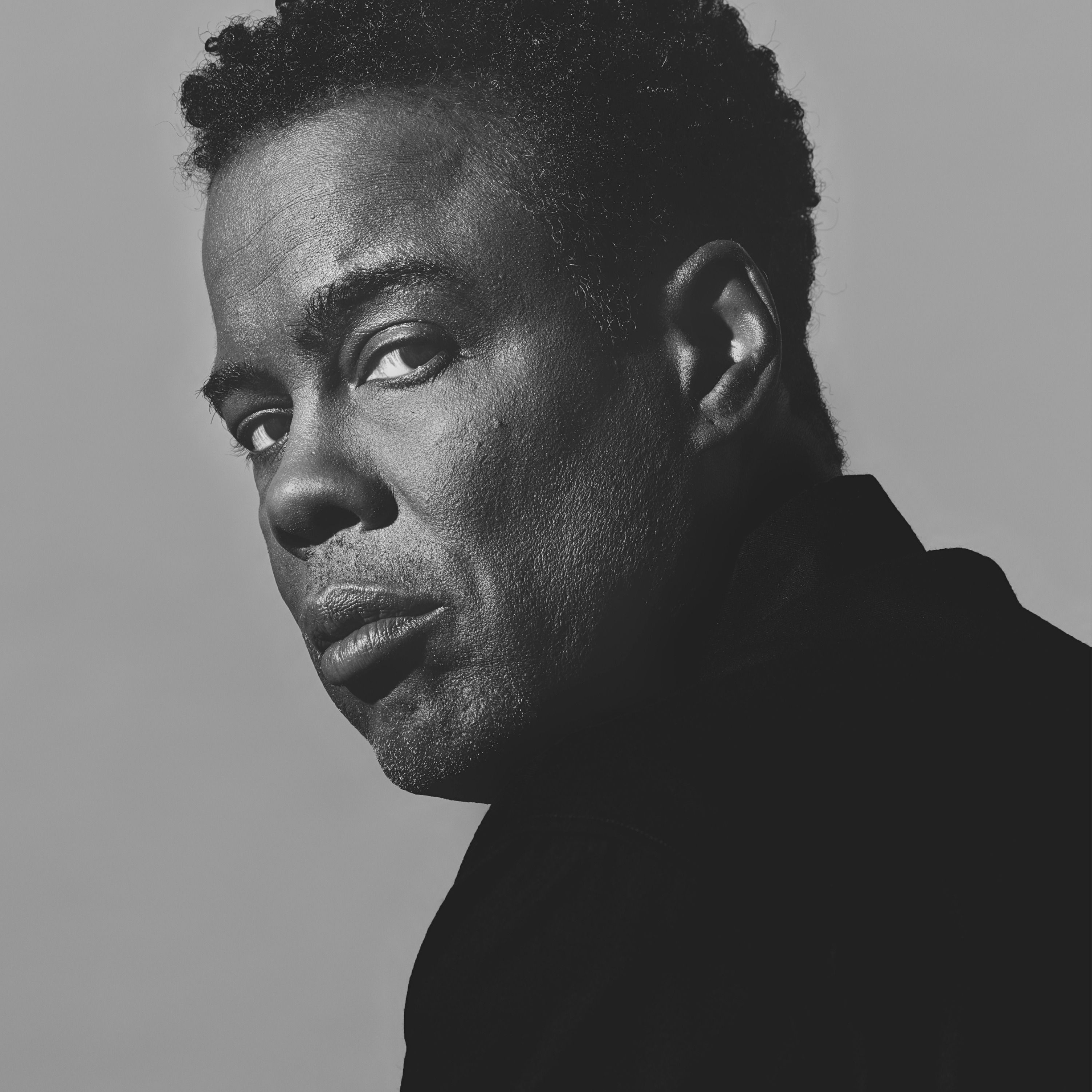 Chris Rock Has Been Thinking About Forgiveness
The Daily · Oct 3, 2026 · 1 h 3 min
Chris Rock tells David Marchese about his film Misty Green, forgiveness, cancel culture, therapy and an NVLD diagnosis, Hollywood, and why comedy needs nuance.
 Sonja & Luann: Pirates, Palm Beach & Picking Up Men
Call Her Daddy · Sep 30, 2026 · 1 h 11 min
Alex Cooper talks with Sonja Morgan and Luann de Lesseps about their new E! series The Golden Life, RHONY memories, dating, aging, and friendship.
More from Digital Social Hour
 Why Political Grifters Are Winning... | Brian Shapiro | DSH #2076
Jul 21, 2026 · 48 min
Sean Kelly talks with Pushing the Limits host Brian Shapiro about ICE in Minneapolis, Trump, 2028 Democratic contenders, debate culture, free speech on platforms, and political grifters.
- Why She Says S*x Should Be Number One... | Lika O | DSH #2069
Jul 16, 2026 · 49 min
Sean Kelly talks with singer and Miss Russia pageant founder Lika Osipova about a stalker's smear campaign, Russian stereotypes, and her views on dating and transactional relationships.
- Viral Philosopher Exposes Why Love Is Failing Right Now | DSH #2066
Jul 15, 2026 · 47 min
Sean Kelly talks with philosopher Acharya Prashant about loneliness, ego, fear, AI, climate, love versus dependence, internal freedom, money and food choices.
- The Antarctica Mystery Nobody Can Explain... | Jimmy Church | DSH #2054
Jul 7, 2026 · 50 min
Radio host Jimmy Church tells Sean Kelly about UFO disclosure, Obama's alien remarks, Antarctica, surveillance via apps, AI, social media, and internet-collapse preparedness.
- Can Three People Really Be Happy? | Abigaiil Morris | DSH #2050
Jul 5, 2026 · 45 min
Sean Kelly talks with adult performer Abigaiil Morris about OnlyFans, working in porn, her polyamorous throuple, cosplay, Pokémon Go, movies and whether she wants children.
From the publisher
Why are more people sick than ever, even with more health information available than ever? In this Digital Social Hour episode, Sean Kelly sits down with Dr. Mark Sherwood to discuss modern health, food quality, chronic illness, testosterone, inflammation, aging, stress, AI, nervous system regulation, and the daily habits that shape long-term wellness. Dr. Sherwood argues that many people are not failing because they take no action. They are failing because they are taking the wrong action, often while being pushed toward pills, processed food, bad information, and a system that profits when people stay unwell. The conversation covers food subsidies, the food pyramid, glyphosate, testosterone decline, gut health, parasites, hormone therapy, peptides, pharmaceutical ads, misinformation, first responders, trauma, mental health, and why health should be treated as a full-life system. Later, Dr. Sherwood shares lessons from his time as a police officer and professional baseball player, why discipline changed his life, how AI is helping clinics become more efficient, and what he wants people to understand about authentic longevity. Take the short Longevity Assessment here: https://www.functionaldr.com/DigitalSocialHour You can also learn more about Dr. Sherwood’s work, including the Authentic Longevity book, his clinic resources, health programs, and tools designed to help people take a more proactive approach to long-term wellness. CHAPTERS 0:00 Why More People Are Sick Than Ever 0:57 Pharma Ads, Wrong Actions, and Medical Misinformation 2:18 The Food Pyramid, Obesity, and Generational Health Damage 3:38 Glyphosate, Testosterone Decline, and Hormonal Health 4:52 Food Subsidies, Processed Food, and the Sickness Economy 9:54 Inflammation, Aging, Gut Health, and Brain Function 15:06 Parasites, Testing, and Why One-Size-Fits-All Health Fails 20:09 AI, Medical Efficiency, Peptides, and the Future of Clinics 25:00 Police Work, Trauma, Discipline, and the Value of Life 35:00…
Summary, chapters and key points were generated from the episode transcript on September 30, 2026. Quotes are checked word for word against the transcript.